


Season-average price estimates for wheat, corn, soybeans, soybean meal, cheese and cotton were all raised slightly in the Agriculture Department’s latest World Agricultural Supply and Demand Estimates (WASDE) report published…
Farmers Voice Ag Economy Frustrations at Commodity Classic
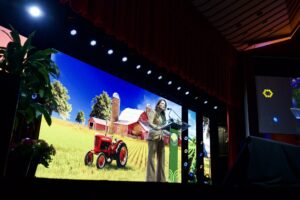
AgWeb’s Clinton Griffiths reported that “in an afternoon general session (at Commodity Classic), adjusted to fit USDA Secretary Brooke Rollins’ schedule, the agency leader welcomed a record crowd of 12,000 to her home state of Texas as she stares down one of the most challenging moments in farming history. Farmers are facing high input costs, trade uncertainty and surging grain production.”
“‘Between 2020 and last year when I spoke at this incredible event, fuel costs had increased 33%, seed costs had increased 19%, fertilizer prices had gone up 48%, labor up 44% and interest expenses up 71%,’ said Rollins,” according to Griffiths’ reporting. “The frustration in the room was palpable following a year in 2025 where strong production was again unable to overcome swelling costs and expenses. Farmers here are now looking harder to Washington for answers as another season of negative margins stares them in the face.”
“We’re seven years out from this last farm bill and all of this information that we’re trying to work with is so outdated, our costs are so different, we have to get something done,’ said Jed Bower, the current president of the National Corn Growers Association and an Ohio farmer,” according to Griffiths’ reporting. “‘They have forgotten about rural America.'”
Progressive Farmer’s Chris Clayton reported that “on the opening day of Commodity Classic, there were some angry conversations between farm leaders and representatives of major fertilizer, seed, chemical and machinery companies.”
“‘Things were heated, then we calmed down and tried to find some common ground,” said Jed Bower, an Ohio farmer and president of the National Corn Growers Association (NCGA),” according to Clayton’s reporting. “‘They claim there are supply chain issues because they’re not solely based in the U.S. I understand that and we’ve all heard that. There are other companies that aren’t having quite the same issues because they are sourcing from different areas. At the end of the day, that doesn’t help farmers at all. So, a lot of our conversations have been voicing our frustrations — personally and what we’ve heard from other growers — to these companies.'”
“The frustration levels are high as farmers are moving into their fourth year of a continued cycle of low commodity prices and stubbornly high input costs,” Clayton reported. “Leaders such as Bower and others note there are no ‘silver’ or ‘magic’ bullets for managing through the downturn.”
Rollins Says USDA Still Working to Lower Costs
Agri-Pulse’s Kim Chipman reported that “Agriculture Secretary Brooke Rollins says she’ll keep working to lower farm production costs and uncover what’s behind a surge in input prices for American growers.”
“The Department of Agriculture forecasts that the overall average cost of production will decline in 2026 for the first time in five years, Rollins said in a speech at Commodity Classic in San Antonio,” Chipman reported. “‘This is good progress, but there’s still so much work to do,’ she said. ‘My commitment to you is we will never stop until we get our arms around why all of these inputs, so many, have increased 20%, 30%, 40% at a time when our farmers are barely surviving. We will not rest until we get to the bottom of it and we provide real solutions to you.'”
Out on the floor at Commodity Classic walking the booths! Helping farmers and producers sign up on the spot with One Farmer, One File! 1️⃣💪
No more endless paperwork piles or duplicate forms—just one secure record that gets you into programs faster, approvals quicker, and… pic.twitter.com/KK9ScLRQqe
— Secretary Brooke Rollins (@SecRollins) February 27, 2026
“Rollins has drawn some backlash over the last week from farmers who disagree with her recent comments about lower input costs,” Chipman reported.
USDA has Processed More than 35,000 Farmer Bridge Assistance Applications
Griffiths reported that “USDA did roll out an $11 billion rescue program called the Farmer Bridge Assistance Program as a way to help tide farmers over until safety net pricing adjustments kick in this fall. Those weren’t passed in a new Farm Bill but instead included in the One Big Beautiful Bill signed last year. Sign-ups for Bridge payments are currently underway with FSA even allowing Commodity Classic attendees to finalize their applications on the tradeshow floor.”
Clayton reported that “Richard Fordyce, USDA’s undersecretary for farm production and conservation, said USDA processed more than 35,000 online applications in just 72 hours since enrollment for FBA opened on Monday. That totaled $1.7 billion of the $11 billion in FBA funds. ‘We are ecstatic about that,’ Fordyce said.”
American Farm Bureau Federation President Zippy “Duvall said he is pleased the FBA payments are going out, but he also believes there remains a need for greater aid and expects Congress will act,” Clayton reported. “‘There are a lot of conversations about another aid package coming out of Capitol Hill,’ Duvall said. ‘There have also been more discussions at USDA. I feel like everybody in this administration understands the need and difficulties farmers are having.'”

Related News Summaries