



The USDA confirmed an additional three cases of New World screwworm — including the first outside of Texas, in New Mexico — bringing the total number of detections in the US…
US to Lift Screwworm Ban on Mexican Cattle Imports
Reuters’ Tom Polansek and Kanishka Singh reported that, “the U.S. Department of Agriculture said on Friday it is lifting a ban on imports of Mexican cattle that it imposed more than a year ago to keep out the flesh-eating livestock pest New World screwworm.”
“The halt of imports drove U.S. beef prices to record highs, hurting consumers and putting pressure on President Donald Trump’s administration to lower costs,” Reuters reported. “The ban also ultimately failed to keep out screwworm, which has moved north through Central America and was detected in June on Texas farms and in New Mexico.”
“The United States plans to resume importing Mexican cattle at a port of entry in Douglas, Arizona, in 30 days, and then eventually open two additional ports of entry in New Mexico, the USDA said in a statement, adding it is now safe to start the reopening,” Reuters reported. “The USDA said it would open southern cattle ports in phases, adding that the phased reopening was contingent on Mexico’s adherence to a plan to control the screwworm.”
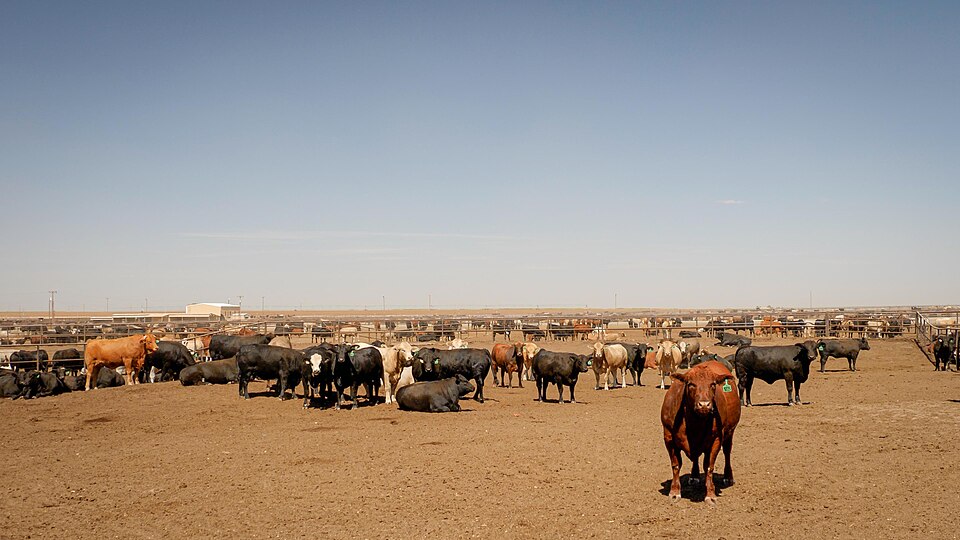
Resumed Cattle Imports Could Lower Beef Prices
Bloomberg’s Ilena Peng and Elizabeth Elkin reported that, “the livestock trade between the two countries has been largely closed since late 2024 following the detection of the New World screwworm, a parasitic fly that can kill cattle within days if left untreated. Despite the preventive measures, the pest was detected in Texas in early June, marking the first such case in US livestock in about five decades.”
“A total of 42 cases of screwworm have been detected in the US, all but one in Texas, according to a USDA database. Of those, only nine are currently active,” Bloomberg reported.
“‘Every animal entering the United States through these ports will undergo a full USDA inspection to ensure it is free of any signs of New World screwworm,’ the USDA said,” Bloomberg reported.
“Mexico President Claudia Sheinbaum said she has instructed her government to ‘further accelerate the work and the collaboration with the US to have everything ready as soon as possible to resume the movement of cattle,’ according to a post on X,” Bloomberg reported.
“Since screwworm emerged in the US, the spread has remained relatively contained geographically, prompting calls for reopening the border as a major step toward addressing high beef prices,” Bloomberg reported. “That’s especially as the paused trade has lowered the prices Mexican ranchers receive, while raising prices for the US feedlots and meatpackers in the final stages of the beef supply chain.”
“The trade between the US and Mexico, which amounted to about 1 million head of cattle per year, could help ease a historic US cattle shortage and cool prices,” Bloomberg reported.
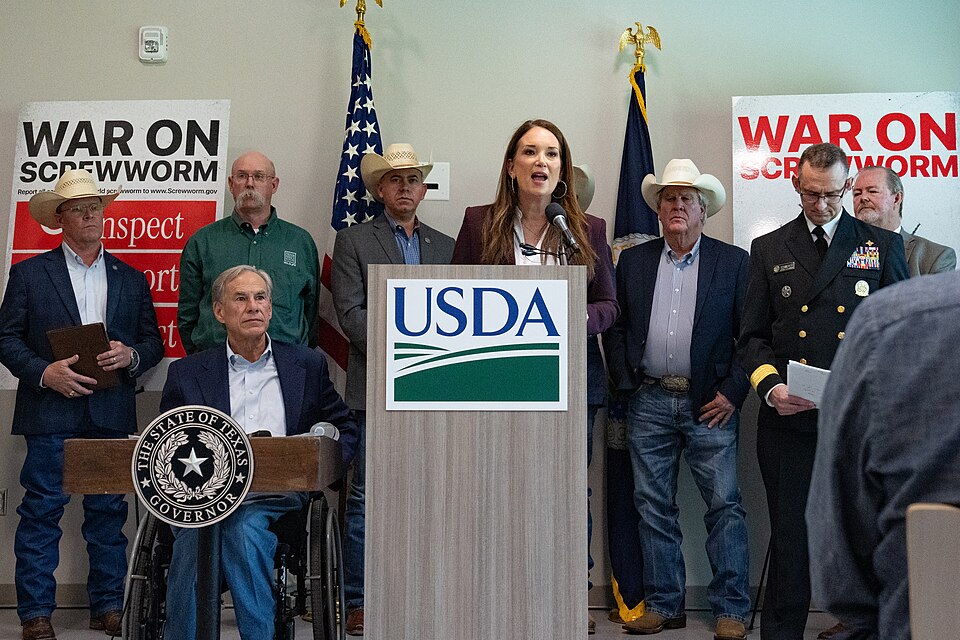
Agriculture Secretary Faces Critique, Defends Choices
Politico’s Grace Yarrow and Marcia Brown reported that, “the move comes after Agriculture Secretary Brooke Rollins had resisted pressure from Republicans and the cattle industry to open the border to help ease high prices.”
“The Biden administration first closed the border to cattle imports in November 2024 after a screwworm case was detected in southern Mexico,” Politico reported. “Trump officials reopened the border shortly after Donald Trump’s 2025 inauguration but closed it again a few months later as the pest moved northward in Mexico.”
“‘Resuming cattle importation from Mexico is the right move for ranchers and American consumers, but it’s a decision that should have been made sooner,’ Texas Agriculture Commissioner Sid Miller said in a statement Friday,” Politico reported. “‘While I’m pleased to see this important trade relationship restored, the prolonged closure has already taken a toll on producers, disrupted supply chains, and created uncertainty that could have lasting consequences for the cattle industry.’”
‘Resuming cattle importation from Mexico is the right move for ranchers and American consumers, but it’s a decision that should have been made sooner. While I’m pleased to see this important trade relationship restored, the prolonged closure has already taken a toll on producers, disrupted supply chains, and created uncertainty that could have lasting consequences for the cattle industry.’
“Overall, Miller, who Rollins has publicly criticized amid the parasite’s spread, said, ‘the pace and scale of the screwworm response have not matched the threat,’” Politico reported.
“Rollins has stood by her decision to close the border as part of an effort to keep the screwworm at bay, even as she acknowledged last month that it presented ‘a significant economic challenge to various sectors of our industries in Texas,’” Politico reported.
