



Reuters’ Tom Polansek and Kanishka Singh reported that, “the U.S. Department of Agriculture said on Friday it is lifting a ban on imports of Mexican cattle that it imposed more…
USDA to Fund $25 Million Sterile Fly Facility in Arizona
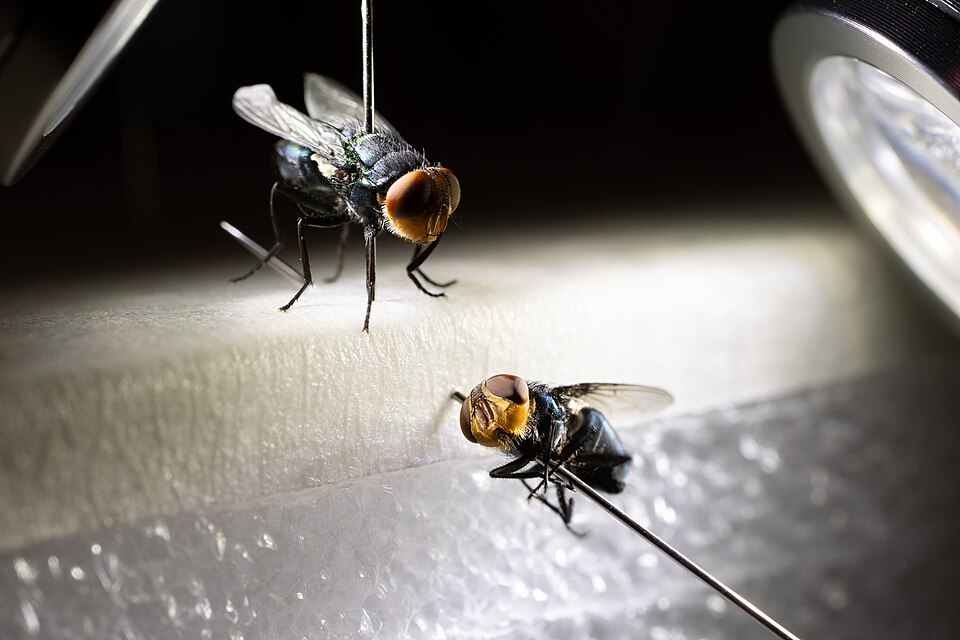
Reuter’s Tom Polansek reported that, “the U.S. Department of Agriculture will spend $25 million on a facility in Arizona to disperse sterile flies used to combat the flesh-eating livestock pest New World screwworm, the agency said on Wednesday.”
“The facility will expand Washington’s efforts to control the spread of screwworms as the USDA plans to lift a ban on imports of Mexican cattle that it imposed more than a year ago in an attempt to keep the pest out of the U.S.,” Polansek reported. “The ban on Mexican cattle helped push U.S. beef prices to record highs, hurting consumers and putting pressure on President Donald Trump’s administration to lower costs. However, the decision to resume imports drew criticism from some U.S. cattle producers, who said it would increase the risk for screwworm infestations.”
“The most effective tool against screwworm is sterile flies, according to the USDA,” Polansek reported. “Arizona Governor Katie Hobbs sent a letter to the agency on Wednesday that proposed a dispersal facility for them in Douglas, Arizona, according to a post on X.”
“‘The continued threat of New World screwworm, prolonged disruptions to livestock trade, and additional costs for producers could keep beef prices elevated and further strain household grocery budgets,’ Hobbs said,” Polansek reported.
Cattle Entering Douglas Port Will Undergo Multiple Inspections
Meatingplace’s Chris Moore reported that, “Agriculture Secretary Brooke Rollins toured livestock inspection facilities at the Douglas port with Arizona lawmakers and state agriculture officials ahead of the planned Aug. 24 reopening of the crossing to cattle imports. The port is to be the first to reopen under USDA’s phased plan following restrictions imposed because of New World screwworm.”
“USDA said the new Arizona facility will strengthen long-term efforts to contain and ultimately eradicate the pest by expanding sterile fly dispersal capacity along the Southwest border,” Moore reported.
“Rollins said the Douglas port would reopen only after USDA implemented enhanced inspection protocols designed to prevent New World screwworm from entering the United States,” Moore reported. “Under the plan, every animal entering through Douglas will undergo multiple veterinary inspections, including examinations by USDA veterinarians before crossing the border. Animals failing to meet import requirements will be denied entry, and detection of New World screwworm would immediately halt imports through the facility.”
Sterile Fly Facility Could Open Within Months
“USDA said Arizona and federal officials have maintained trapping operations near Douglas during the past year, testing nearly 1,000 flies with no New World screwworm detections,” Moore reported. “The agency also said it has conducted preparedness exercises, stakeholder outreach and response training in coordination with state officials.”
Progressive Farmer’s Jennifer Carrico reported that, “the first U.S. case of NWS was detected on June 3, 2026, according to the USDA Animal and Plant Health Inspection Service dashboard. Since then, 41 cases of NWS have been confirmed in Texas and one in New Mexico.”
“‘Protecting American agriculture begins with protecting our borders and ensuring we have the strongest animal health safeguards anywhere in the world. The Douglas Port of Entry will reopen only because USDA has implemented one of the most rigorous livestock inspection protocols in history, giving us confidence we can safely resume this critical trade while ensuring cattle crossing the border are free from New World screwworm,’ said Rollins,” Carrico reported.
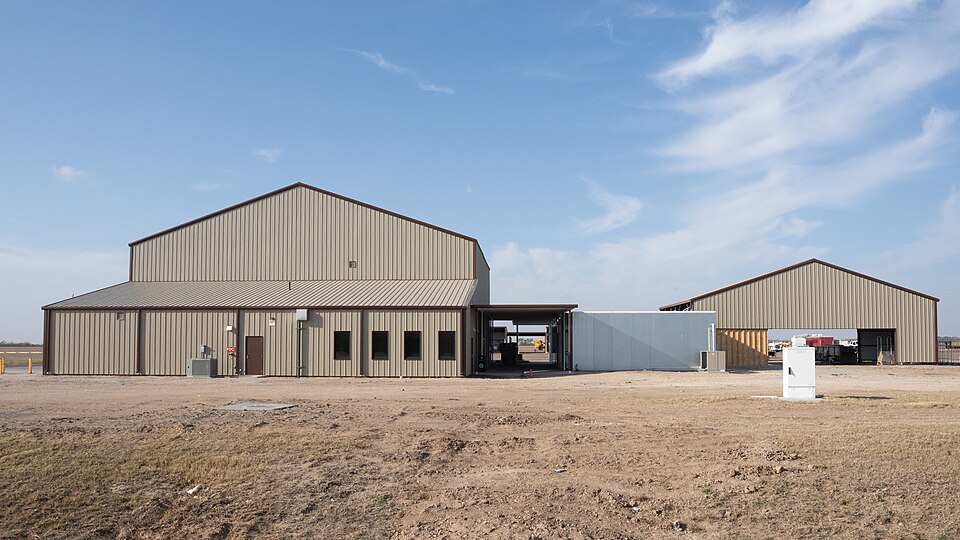
“USDA will work closely with the Arizona Department of Agriculture and state leaders to identify the specific location and operational plan for the facility in Douglas, Arizona,” Carrico reported. “The facility could be opened in as few as several months depending on the selected site.”
