Progressive Farmer’s Jake Zajkowski reported that “the U.S. and China extended the Busan Agreement, the trade truce between the two countries, to Jan. 10 while identifying more than 1,600 products, including agricultural commodities, for potential tariff reductions.”
“But soybeans for food and crushing were excluded from the list, and negotiators did not announce new agricultural trade commitments or a timeline for implementing the potential tariff reductions,” Zajkowski reported. “Following an official state visit by Chinese President Xi Jinping to the White House last week, negotiators reached a consensus on a ’30 for 30′ framework for reducing tariffs on $30 billion in agricultural and other non-sensitive products from both countries.”
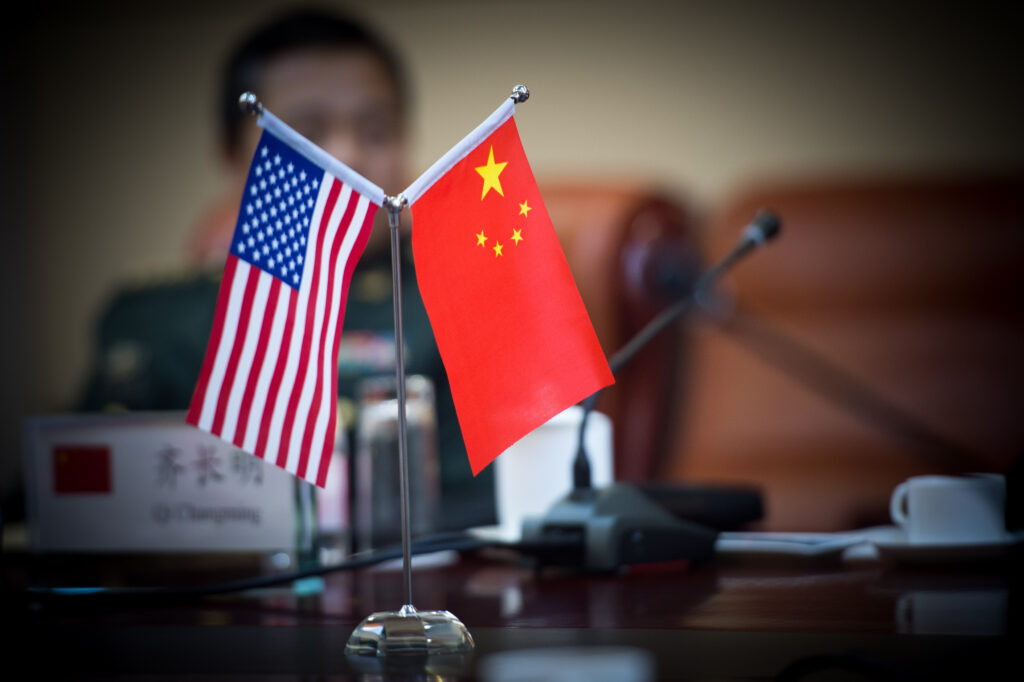
Agri-Pulse’s Olivia M. Bridges reported that “the list of U.S. goods to enter China outlined 1,619 items, many of which are agricultural goods, including livestock like cattle, goats, pigs, turkey and chicken. It also opens the market to U.S. ranchers seeking to sell beef and pork products, or other meat items. The list also names fruits and vegetables such as broccoli, sweet corn, potatoes, bananas and citrus fruits.”
“Soybean wasn’t completely left out of the agreement,” Bridges reported. “The list identifies soybean seeds, soybean flour, soybean oil and its separated products, soybean cake and soybean residues, as in line for tariff cuts.”
Reuters’ Ella Cao, Naveen Thukral and Lewis Jackson reported that “more than 90% of the covered products will be exempt from all additional tariffs imposed on each other and will instead be subject to most-favored-nation tariff rates, the commerce ministry said in a statement.”
“US soybeans, however, still face an additional tariff of 10%, which traders have warned is too high for private crushers to absorb, even as Chinese state buyers have stepped up purchases,” Cao, Thukral and Jackson reported.
Reuters’ Liz Lee reported that “the American Soybean Association expressed disappointment at the exclusion, saying Beijing’s 10% retaliatory tariff would keep Chinese purchases of US soybeans controlled by state-directed enterprises. ‘Removing the tariff would improve the competitiveness of US soybeans and provide greater opportunity for private Chinese buyers,’ the trade group said.”
Markets React Negatively
Bloomberg’s Hallie Gu reported that “a day after China announced tariff cuts across a slew of US agricultural products, crop traders are trying to parse whether — and how quickly — that will translate into a demand pickup for major grains.”
“Soybeans were excluded from the reductions and sluggish economic growth has sapped Chinese demand for corn and wheat imports. The timing of the levy cuts also remains unclear, with both countries first required to complete procedures required under domestic law,” Gu reported. “That’s keeping prices for grains subdued. Soybean futures edged lower in Chicago after dropping more than 2% on Monday. Wheat and corn also fell further after declining in the previous session.”
AgWeb’s Michelle Rook reported that “the market was also disappointed by the lack of details on the pro-rated $17 billion of other agricultural purchases. But according to (Dan Basse, president of Ag Resource Company), it’s bad business for China to provide a complete list.”
“‘Yeah, it would cost them more money,'” he said, according to Rook’s reporting. “‘That’s not how the Chinese work, nor would the U.S. government want them to work like that. So they set their pledges and then they let the Chinese choose the commodities and the purchases when they think best fits.'”
