The Meatingplace’s Frank Fuhrig reported that “the port of entry at Columbus, N.M., will be the third crossing reopened for imports of Mexican cattle as of Oct. 26, the USDA said Monday.”
“After the reopening of the first cattle crossing on Aug. 24 in Douglas, Ariz., and the second, largest port of entry on Sept. 24 at Santa Teresa, N.M., Columbus was named by USDA as the next port in line for reopening to livestock, but with no official date until now,” Fuhrig reported. “… The Columbus reopening is going forward after last week’s confirmation of two new cases of New World screwworm infestation in southwestern New Mexico. The new infestations afflicted a calf and a horse in Grant County adjoining Luna county, which includes Columbus. The flesh-eating pest has now been found in three domesticated animals since last month in Grant County.”
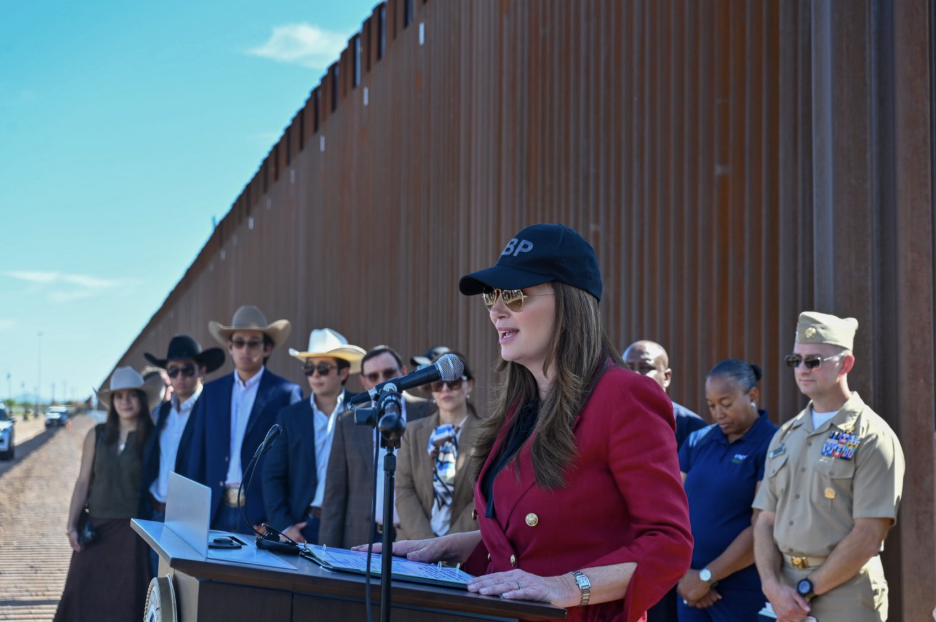
Drovers’ Angie Stump Denton reported that “the Columbus crossing is the third southern livestock port approved to reopen under USDA’s phased framework. Early industry projections expect trade to start at roughly 750 head per day under strict phased quotas.”
“Through Oct. 16, 39,600 head have crossed since the ports reopened to cattle trade,” including approximately 28,800 head in Douglas, Ariz. and 10,800 head Santa Teresa, N.M., Stump Denton reported. “… The Nogales, Ariz., port will reopen for cattle on Nov. 30 if conditions continue to support safe trade and required inspection arrangements and infrastructure are in place.”
Reuters’ Tom Polansek reported that “horse imports are (also) expected to resume in Santa Teresa on October 26, the USDA said on X.”
First Screwworm Case in U.S. Wildlife Identified
While the Columbus port of entry is being prepared to reopen, CBS News’ Kierra Frazier reported that “the first case of New World screwworm in wildlife in the United States has been found in an elk in Texas, the U.S. Department of Agriculture announced Wednesday.”
“The elk was discovered on a game ranch in Pecos County and was reported after being harvested by a hunter, the USDA’s Animal and Plant Health Inspection Service said,” according to Frazier’s reporting. “The detection prompted additional wildlife surveillance in the area by the USDA and the Texas Parks and Wildlife Department. The Texas Animal Health Commission will also modify a previously established infested zone.”
Axios’ Rebecca Falconer reported that “the discovery raises new questions about whether the flesh-eating parasite is spreading beyond livestock.”
“Cattle were infected by the screwworm earlier this year in Texas and New Mexico, prompting an extensive federal response to contain its spread,” Falconer reported. “The detection in a wild animal adds another challenge for officials trying to determine how widely the parasite has spread.”
Sterile Fly Facility in Texas Still on Course for Spring 2027 Completion
Construction Briefing’s Neil Gerrard reported that “Contractor Mortenson and the US Army Corps of Engineers (USACE) are still on course with the rapid construction of a $610 million facility that aims to keep flesh-eating parasites off US soil.”
“Mortenson is building the Department of Agriculture’s Domestic New World Screwworm Sterile Insect Production Facility at Moore Airbase in Edinburg, Texas,” Gerrard reported. “… In an update issued this week, USACE said the facility remains ‘on schedule to support the accelerated timeline to reach initial operating capability in April 2027.'”
