Bloomberg’s Hallie Gu and Michael Hirtzer reported that “China has bought at least 8 million tons of US soybeans this year, according to people familiar with the matter, putting the world’s top importer on track to meet a pledge it made two months ago as part of an apparent trade truce with Washington.”
“State-owned buyers have continued to book US cargoes into late December, the people said, asking not to be named as they are not authorized to discuss the purchases,” Gu and Hirtzer reported. “That extends a buying spree that began in October and maintains a pace that has reassured American exporters, otherwise wary that Beijing’s commitment might slip amid limited visibility and unclear deadlines. The shipments booked so far are mostly for loading between December and March, the people said.”
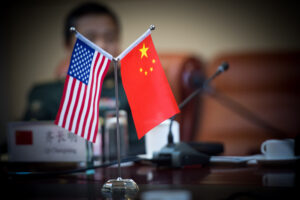
“The White House said immediately after talks between President Donald Trump and Chinese counterpart Xi Jinping that China had pledged to buy at least 12 million tons of US soybeans by the end of this year,” Gu and Hirtzer reported. “US officials later clarified the deadline was in fact the end of February. Beijing has not confirmed the commitment, but the Chinese government has moved to reduce tariffs on the crop and lifted import bans on three American exporters.”
“The return of Chinese buyers is welcome news for US exporters, and a reminder that buying patterns can change fast — but it is not yet a full reset,” Gu and Hirtzer reported. “Even as Beijing takes US shipments, state-owned firms have bought large quantities of beans from Brazil and Argentina, the people said. Commercial buyers in particular have stayed on the sidelines when it comes to US purchases.”
US Soybeans Yet to Actually Arrive in China
Reuters’ Ella Cao and Lewis Jackson reported that “China imported no soybeans from the United States for a third straight month in November, as buyers turned to South American supplies amid fears of a shortfall if the trade war with Washington dragged on.”
“Following a trade truce in late October, China has stepped up purchases of U.S. cargoes, with traders saying that more than 7 million metric tons have been purchased since then,” Cao and Jackson reported. “In late November, Reuters reported, citing a shipping schedule, that two cargo vessels would carry the first U.S. soybean shipments to China since May. As these cargoes have not yet arrived, they do not appear on the customs website.”
Soybean Buying Deadline Now End of the ‘Growing Season’
CNBC’s Dan Mangan and Garrett Downs reported earlier in December that “U.S. Trade Representative Jamieson Greer told a Senate Appropriations subcommittee on Tuesday that the deadline for China to buy 12 million metric tons of soybeans from American farmers was not the end of December as the White House has said, but the end of the ‘growing season.‘”
“Greer said there was a ‘discrepancy’ in what the White House has described as the deadline and the actual deadline for the purchases to be completed,” Mangan and Downs reported. “The most recent growing season for soybeans ended in November, according to the U.S. Department of Agriculture.”
“CNBC asked Greer’s office whether there is a hard or rough deadline for China to reach 12 million metric tons of purchases, as agreed to as part of a trade deal with President Donald Trump in October,” Mangan and Downs reported. “An official familiar with the issue said, on Thursday, that the deadline for soybean purchases with China has not changed.”
“‘The reference to growing season refers to the fact that soybean sales for a growing season typically happen between September to March of the next year — that is what we are seeing now,’ the official said,” according to Mangan and Downs’ reporting. “‘The Fact Sheet conveys that we expect China’s purchases to take place largely during the last two months of this year, even if the actual shipments would not take place until later in the sales period for the growing season.’”